Many people view classic tabletop challenges merely as a source of quick entertainment or a casual way to pass the time with family. However, engaging in structured table games regularly can serve as a powerful exercise in mental conditioning and emotional regulation. By requiring players to navigate risk, analyze opponent behavior, and make calculated decisions under pressure, these activities actively shape how we approach obstacles in our daily lives.
The Psychology of Risk and Reward in Card Games
Classic card games like poker and blackjack offer much more than a simple lesson in mathematical probability. They force participants to confront the reality of incomplete information, teaching them to make firm decisions even when the outcome remains uncertain. This practice directly helps players build cognitive flexibility, allowing them to adjust their strategies dynamically as new cards are revealed.
Furthermore, mastering these games requires a high level of emotional control, especially during consecutive losses. Learning to separate the quality of a decision from its immediate short-term outcome is a vital step toward cultivating a resilient, winning mindset. Those who develop this skill find themselves far better equipped to manage stress and avoid impulsive choices in competitive professional environments.
Developing Strategic Foresight Through Chess
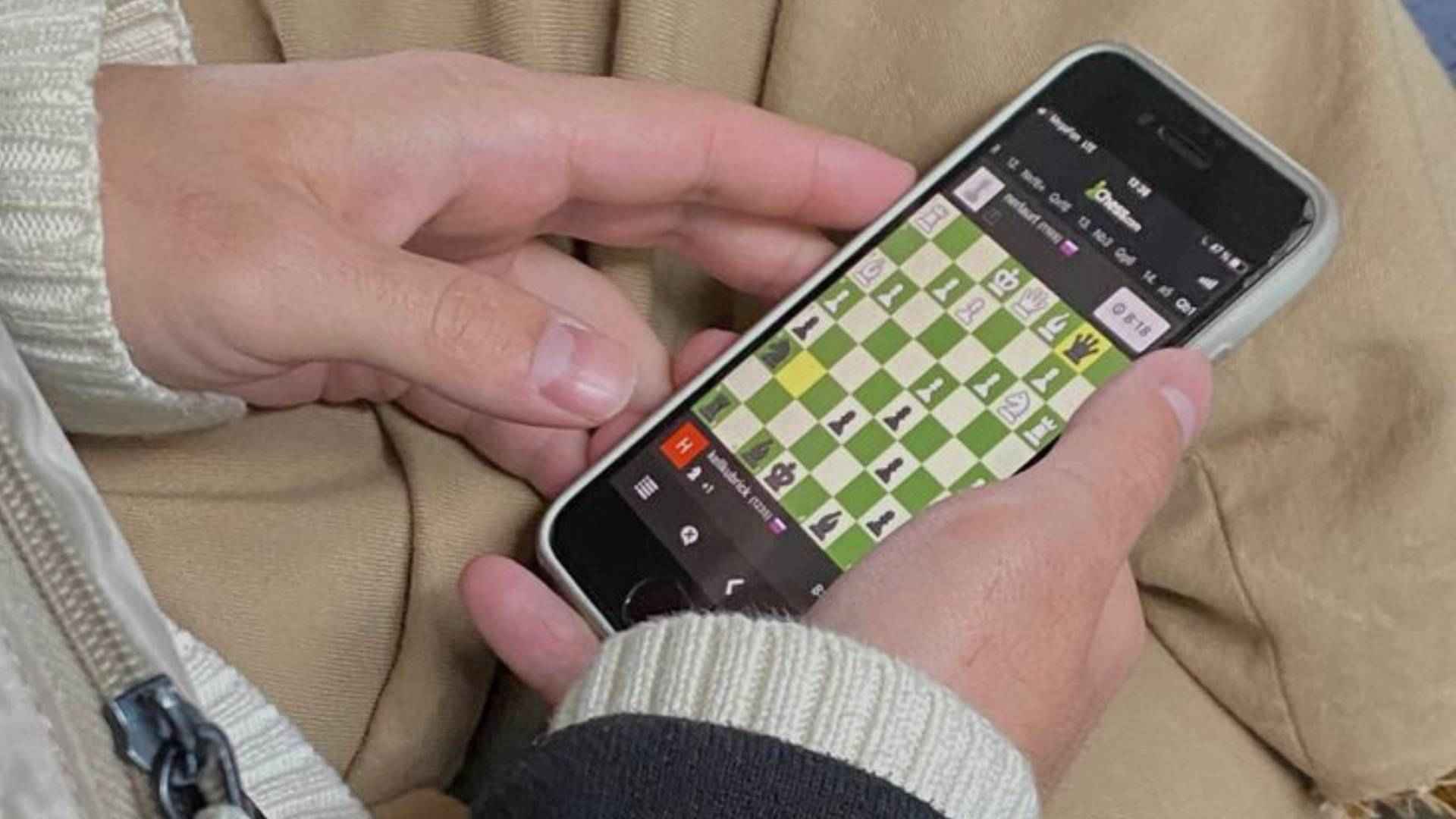
Chess has stood for centuries as the ultimate test of intellectual endurance and long-term planning. To succeed, a player must look several moves ahead while simultaneously decoding the hidden intentions of their opponent. This continuous mental simulation exercises the brain's executive functions, strengthening critical thinking and problem-solving capabilities.
This deep level of foresight teaches individuals the importance of patience and proactive planning over immediate gratification. Every piece sacrificed on the board represents a calculated trade-off aimed at achieving a larger, future goal. Translating this tabletop philosophy into real life helps people set clear objectives and stick to structured plans even when facing temporary setbacks.
Adapting to Fast Paced Tactical Environments
Modern board games and tactical tile challenges introduce dynamic environments where the rules of play can change in an instant. These modern setups require players to manage limited resources efficiently while constantly monitoring the progress of their competitors. Such conditions mimic the fast-paced nature of modern business, where adaptability is often the deciding factor between success and failure.
Engaging in these quick-decision environments helps individuals overcome the fear of making mistakes under tight time constraints. To practice these vital decision-making skills in a secure and modern digital setting, players often seek out reliable platforms like the m88 login terbaru portal. Consistently testing your analytical limits in a safe gaming space fosters a natural confidence that carries over into everyday life challenges.
Building Collaborative and Social Resilience
Cooperative tabletop games have surged in popularity because they shift the focus from individual competition to collective triumph. In these setups, players must pool their unique skills, negotiate compromises, and trust each other's decisions to defeat the system itself. This collaborative dynamic highlights the immense value of clear communication and shared accountability.
Working together toward a common goal on a shared board teaches players how to handle collective pressure without assigning blame. When a strategy fails, the group must analyze the breakdown constructively and pivot together. This shared problem-solving experience builds emotional intelligence and fosters supportive social networks that are highly beneficial for personal growth.