Long before standard polyhedral dice and elaborate game boards existed, human civilizations looked to random chance for spiritual guidance rather than entertainment. Early cultures cast marked bones, stones, and shells to decipher the will of deities, interpret omens, and predict future events. Over centuries, these sacred rituals gradually shifted into structured pastimes, laying the foundation for modern tabletop gaming.
Spiritual Roots of Randomness
In ancient Mesopotamia, Egypt, and Greece, clergy and shamans utilized astragali—knucklebones of sheep or goats—to seek divine counsel. The unpredictable landing positions of these items were seen not as blind luck, but as direct communication from higher powers. As society evolved, the sacred nature of casting lots began to blend with casual human competition.
Over time, people recognized the inherent tension and excitement involved in random outcomes. What began as a solemn religious consultation slowly transformed into social entertainment, leading to the creation of early primitive board games like Senet and the Royal Game of Ur. These early titles preserved symbolic spiritual elements while emphasizing strategic movement and player choices.
The Mathematical Shift Toward Fair Gaming
During the Middle Ages and the Renaissance, the understanding of chance underwent a profound scientific transformation. Scholars began analyzing mathematical probability, shifting the public perception of rolling dice from divine intervention to measurable odds. This cognitive shift allowed game creators to balance luck with deliberate player strategy.
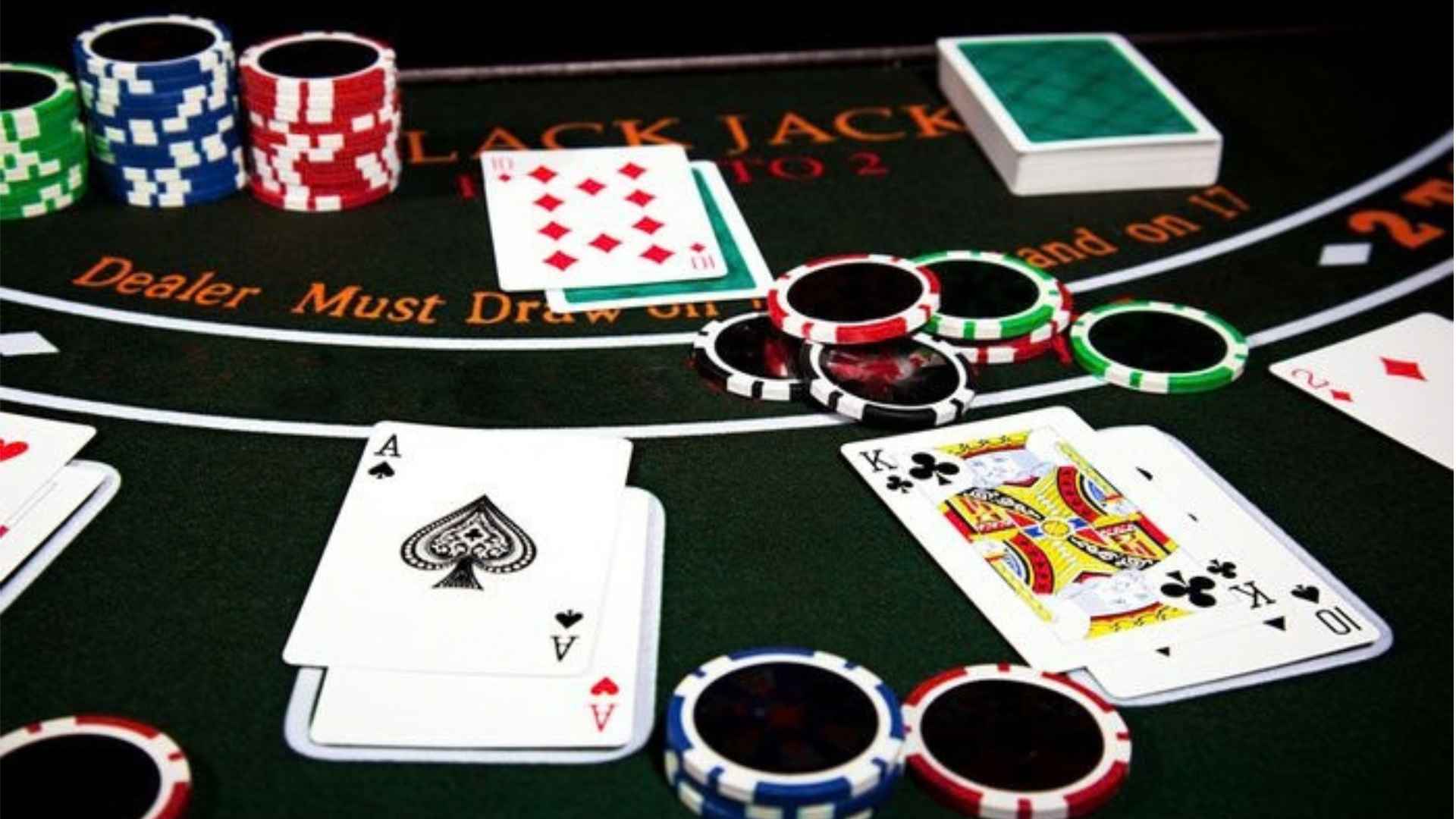
As gaming mechanics matured, societies developed dedicated spaces and formal games centered around probability. Modern digital platforms and online spaces, including platforms like m88 casino, mirror this ancient fascination with risk and reward by utilizing sophisticated algorithms to ensure random generation. This evolution demonstrates how deeply ingrained random mechanics remain in human culture.
Divination Artifacts as Modern Gaming Tools
It is striking to observe how directly ancient divination tools evolved into popular modern board game components. The modern six-sided die is a direct descendant of early carved fortune-telling cubes, while custom card decks draw heavy inspiration from historical Tarot systems. What once revealed cosmic destiny now determines player damage, resource allocation, and character movement.
By repurposing sacred artifacts into interactive rulesets, modern designers retain a psychological connection to ancient storytelling traditions. Players today experience a modern version of the suspense felt by ancestors awaiting a fateful roll. The physical act of shaking and throwing dice continues to evoke a uniquely compelling sensation of anticipation.
The Legacy of Sacred Rituals in Modern Tabletop
Today's tabletop boom reflects humanity's ongoing desire to engage with unpredictable narrative journeys inside structured environments. Whether exploring immersive dungeon crawlers or complex strategy board games, players enter shared magical circles reminiscent of historical rituals. The mechanics may be refined, but the fundamental appeal of testing one's fate remains unchanged.
Understanding this cultural journey enriches our appreciation for contemporary gaming experiences. Modern rulesets allow us to exercise agency over chance, turning ancient mystical practices into collaborative, social entertainment. As game design continues to innovate, the ancestral link between sacred chance and playful strategy remains strong.