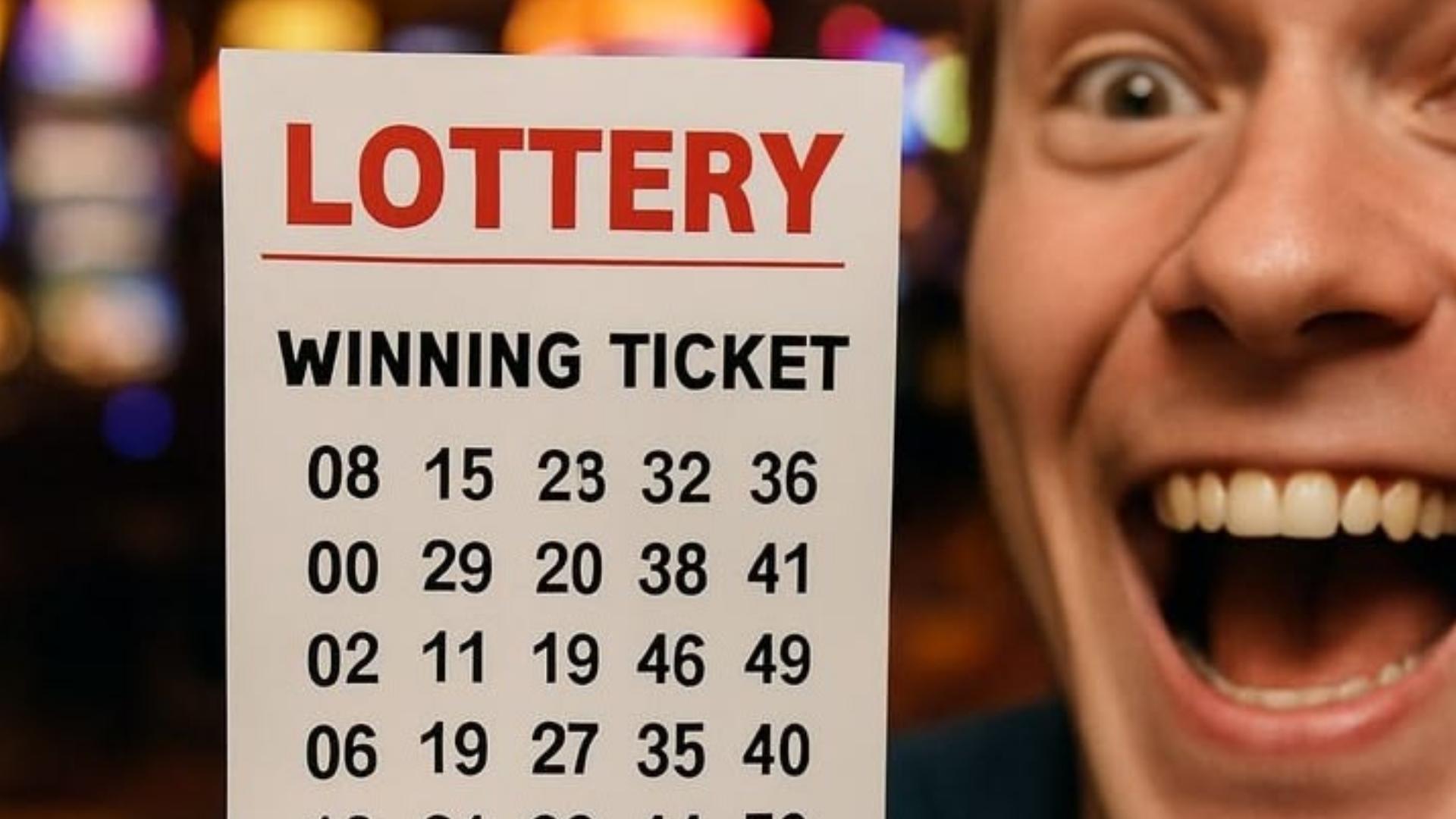
Millions of people around the globe participate in lottery draws every week, driven by the dream of hitting a massive jackpot. While the excitement of purchasing a ticket is universal, the underlying mathematics reveals a sobering reality regarding the odds of actually claiming the top prize. Understanding how combinations and statistical probability function provides a clear perspective on what really happens when numbers are drawn.
The Core Mathematics Behind Combinations
At the heart of any major lottery calculation is the mathematical formula for combinations, which determines how many unique ways a set of numbers can be chosen. In a typical game where players select six numbers from a pool of forty-nine, order does not matter, leading to millions of possible outcomes. As the pool of available numbers grows, the total number of combinations increases exponentially, making the jackpot significantly harder to hit.
Calculating these outcomes relies on factorials to ensure that every unique sequence is accounted for properly. For massive multi-state draws, adding an additional bonus ball increases the potential combinations into the hundreds of millions. This mathematical structure guarantees that the odds remain consistently heavily weighted against any single ticket entry.
Visualizing Extreme Statistical Odds
To grasp the odds of winning a major jackpot, it helps to compare them to everyday occurrences or other rare events. For example, a player is statistically far more likely to be struck by lightning or find a rare pearl in an oyster than to match all winning numbers. These comparisons illustrate just how vast a pool of hundreds of millions of combinations truly is in practical terms.
Even when individuals analyze patterns or review historical draw data, each new drawing remains an independent statistical event. Exploring odds across different gaming platforms like m88 link alternatif can help players appreciate probability structures, but random draws ensure that past results never influence future outcomes. Every single number combination possesses the exact same mathematical probability of being selected in any given draw.
The Impact of Ticket Quantity on Probabilities
A common belief among participants is that purchasing multiple tickets significantly improves their chances of taking home the grand prize. While buying additional entries does technically increase your odds, the mathematical shift is negligible when compared to the vast total number of possibilities. Moving your chances from one in three hundred million to two in three hundred million changes very little in practical terms.
Furthermore, spending more money on tickets rapidly diminishes the expected return on investment due to the negative expected value of lottery tickets. Because the odds are so long, increasing the volume of tickets purchased usually leads to greater net financial loss rather than a higher likelihood of winning. Maintaining a clear understanding of these boundaries helps players view ticket purchases strictly as a form of light entertainment.
Understanding Expected Value and Prize Distribution
In financial mathematics, expected value measures the average outcome of an event if it were repeated an infinite number of times. Lottery tickets almost always possess a negative expected value because a portion of ticket sales is directed to administrative fees, taxes, and public programs. This means that for every dollar spent, the average statistical return to the player is substantially less than a dollar.
Even when jackpots grow to historical levels, secondary factors like split prizes and tax deductions keep the true expected value low. If multiple winning tickets share the prize pool, the individual payout drops dramatically, offsetting any perceived mathematical advantage of playing large jackpots. Recognizing these underlying financial mechanics empowers participants to approach lottery games with realistic expectations and responsible habits.